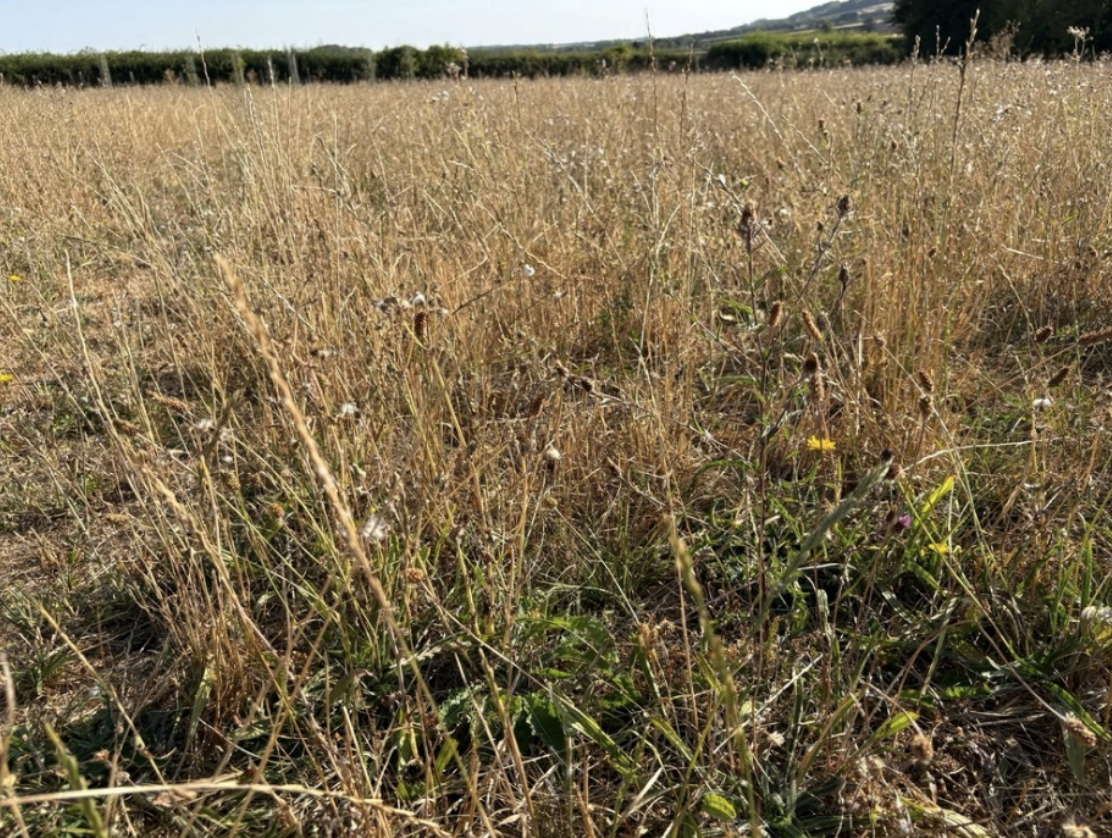
There is a lot going on in the Community Orchard. It may look like a weedy mess but it is slowly being transformed. The starting point was a monoculture of agricultural rye grass which was effectively an ecological desert. Now we have at least 47 species of flowering plant, which will support a huge array of wildlife. There are also some other species that have yet to be identified. The area was seeded in late autumn last year with a wildflower mix harvested from the RSPB Reserve at Winterbourne Down and considering we are now in the grip of the worst drought in 50 years this is truly amazing.
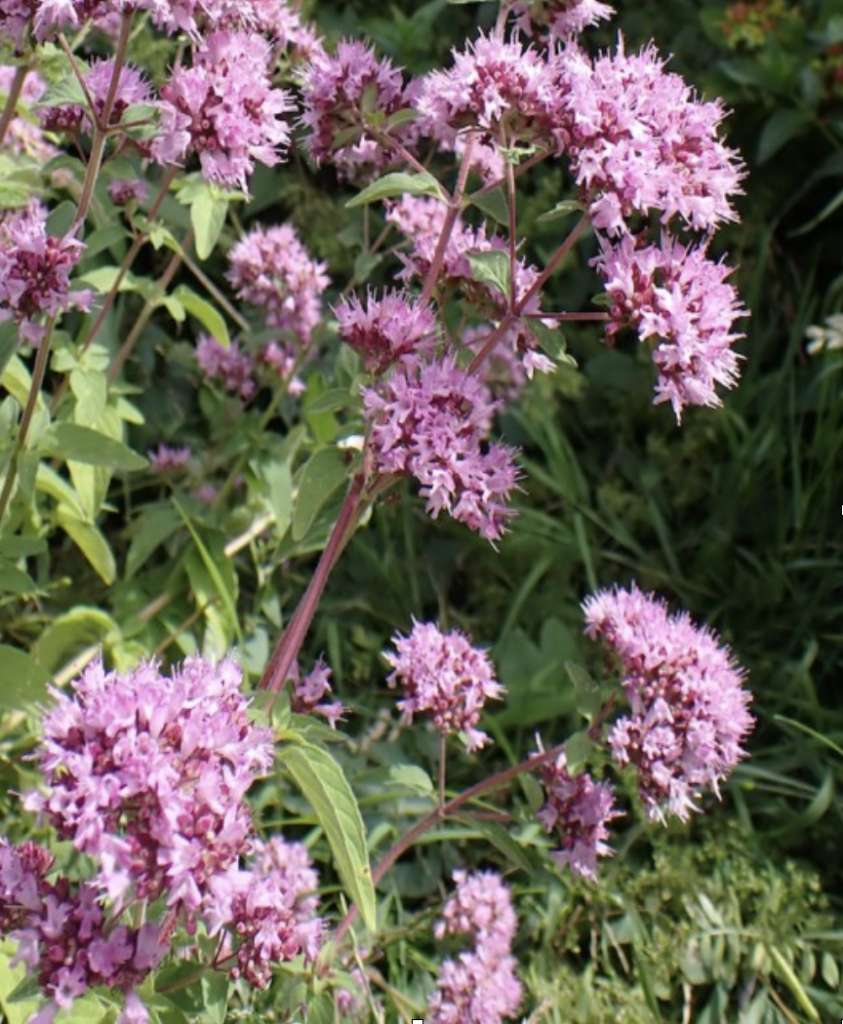
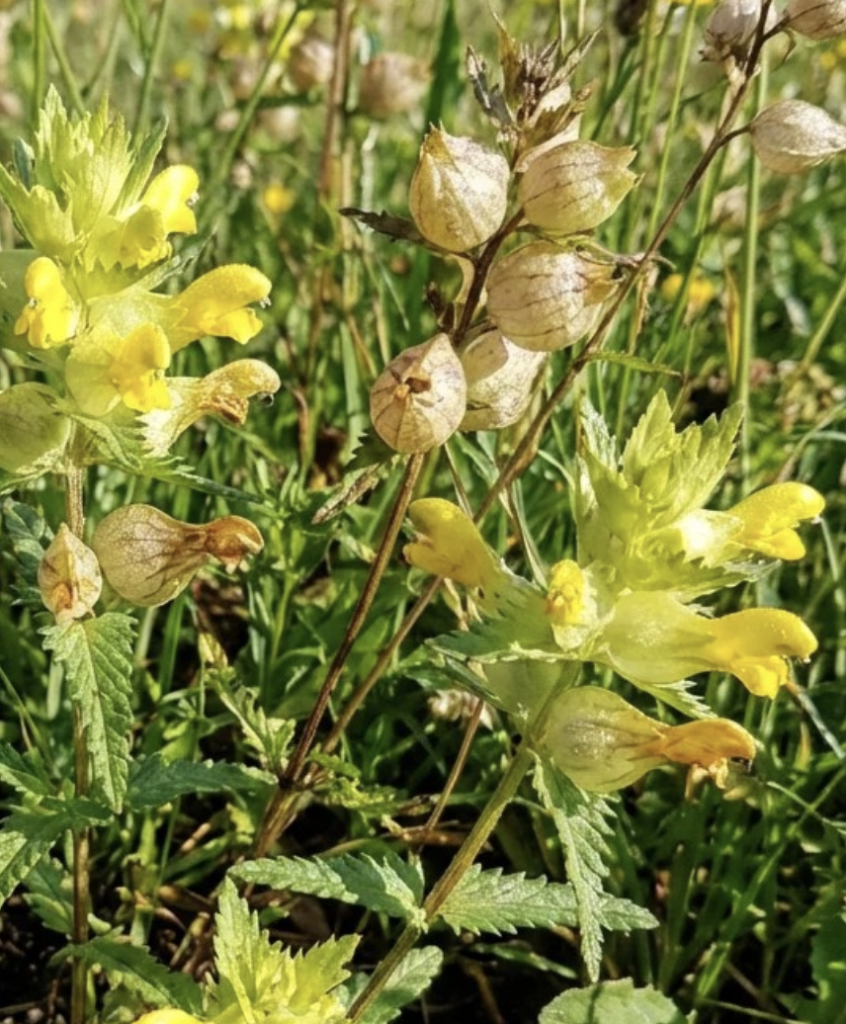
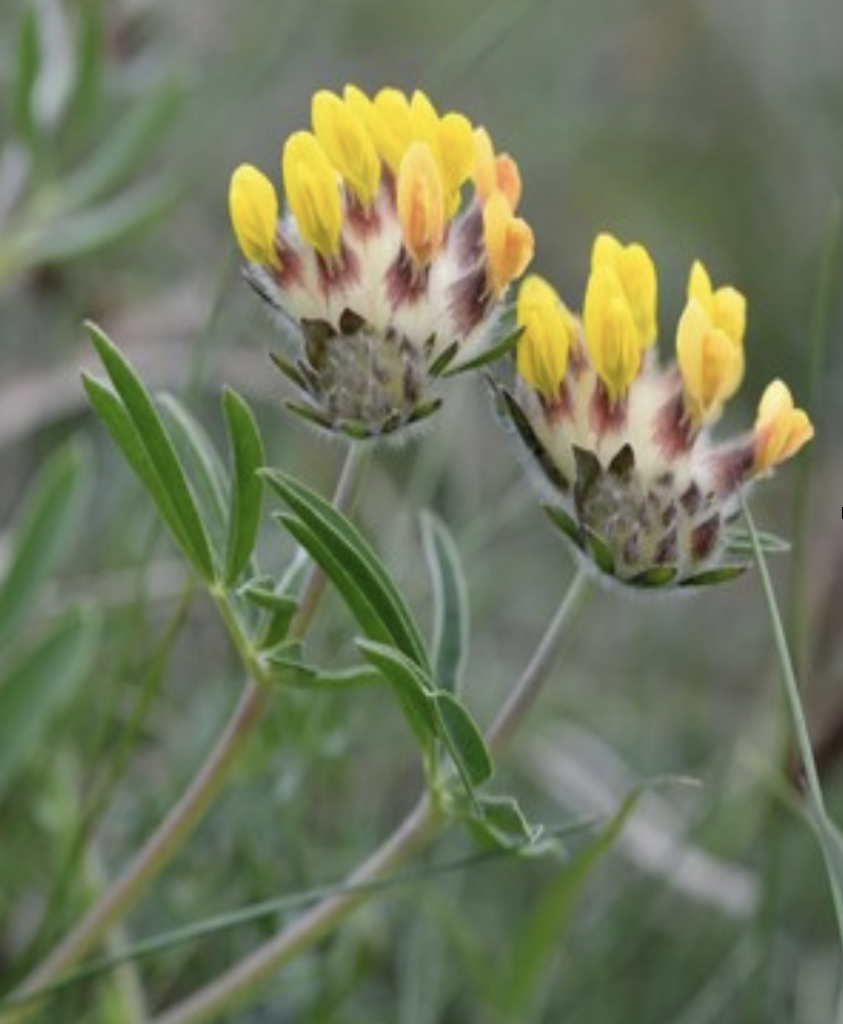
The transformation into a wildflower meadow will take time. This is the ugly duckling stage which will unfortunately last for a number of years. The expectation is that gradually the so called agricultural weeds like thistle and dandelion will give way to the chalk grassland species from the seed mix. Some are already appearing including wild marjoram, knapweed, bedstraw, kidney vetch and, the all important yellow rattle which is often called the meadow maker. All we need now is some rain!
After conducting a grassland survey a few weeks ago Carole Smith once again revisited the Community Orchard and Nature Reserve on 8th August 2026 to undertake some further surveys.
Carole randomly selected a new 1m square quadrant which appeared to have some plants of interest.
| Community Orchard Survey (Random Area)- 8th August 2026 |
| Bare Soil | 50% | ||
| Too Small – Unable to ID | 5% | ||
| Plant Type | Abundance | Designation | |
| 1 | Common Sow Thistle | R | AGW |
| 2 | Common Orache | O | AGW |
| 3 | Willowherb * | R | AGW |
| 4 | Fat Hen | R | AGW |
| 5 | Ribwort Plantain | R | CGP |
| 6 | Common Fumitory | R | AGW |
| 7 | Greater Plantain | R | AGW |
| 8 | Thistle* | R | AGW |
| 9 | Rye Grass | R | AGW |
| 10 | Fine Grass | R | AGW |
| 11 | Scarlet Pimpernel | R | AGW |
| (DAFOR Scale) R=Rare O=ocasional F=Frequent | |||
| * Exact Variety Not Identified |
Carole also surveyed a 1m square quadrant that following external advice had been sprayed with glyphosate earlier in the year to remove a strip pf rich pasture grass which would inhibit the growth of wildflowers. No further spraying will be undertaken within the orchard.
| Community Orchard Survey (Sprayed Area) – 8th August 2026 |
| Bare Soil | 40% | ||
| Too Small – Unable to ID | 0% | ||
| Plant Type | Abundance | Designation | |
| 1 | Common Dandelion | R | AGW |
| 2 | Common Sow Thistle | F | AGW |
| 3 | Greater Plantain | O | AGW |
| 4 | Fat Hen | R | AGW |
| 5 | Shepheard’s Purse | R | AGW |
| 6 | Common Orache | R | AGW |
| 7 | Common Fumitory | R | AGW |
| 8 | Common Vetch | R | AGW |
| (DAFOR Scale) R=Rare O=ocasional F=Frequent |
A third 1m square quadrant was also surveyed. This had been cut short earlier in the year to manage an area prevalent with Baron Brome, this grass would inhibit the growth of other wildflowers.
| Community Orchard Survey (Strimmed Area) – 8th August 2026 |
| Bare Soil – dead grass | 70% | ||
| Too Small – Unable to ID | 5% | ||
| Plant Type | Abundance | Designation | |
| 1 | Creaping Thistle | O | AGW |
| 2 | Baron Brome (dead?) | R | AGW |
| 3 | Common Sow Thistle | R | AGW |
| 4 | Rye Grass | R | AGW |
| 5 | Nettle | R | AGW |
| 6 | Greater Plantain | R | AGW |
| 7 | White Dead Nettle | R | AGW |
| 8 | Fat Hen | R | AGW |
| 9 | Fine Grass | R | AGW |
| (DAFOR Scale) R=Rare O=ocasional F=Frequent |
If you have a particular interest, knowledge or expertise and would like to undertake flora and fauna surveys on our sites please contact us by email at contact@pittonnaturetrust.org.uk
© Pitton Nature Trust (2026)